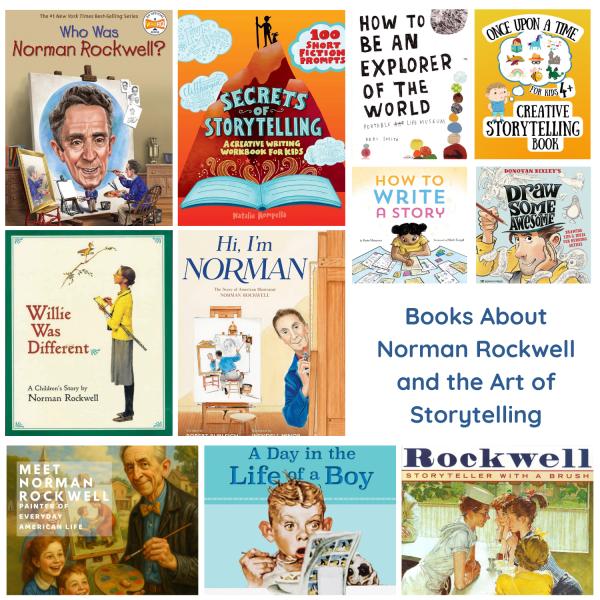
Norman Rockwell was more than an illustrator, he was America's storyteller. For nearly 50 years, his art captured everyday life with warmth, humor, and heart, turning ordinary moments into unforgettable stories told without a single word. If you're looking for the best Norman Rockwell books for kids, you've come to the right place. This collection includes picture books, kid-friendly biographies, and activity books about Norman Rockwell, along with creative storytelling and drawing books inspired by his timeless artwork. Whether your child loves art, history, or great stories, these books will help them discover Rockwell's world—and maybe even inspire them to tell stories of their own. Open a book and discover the storyteller in your family!

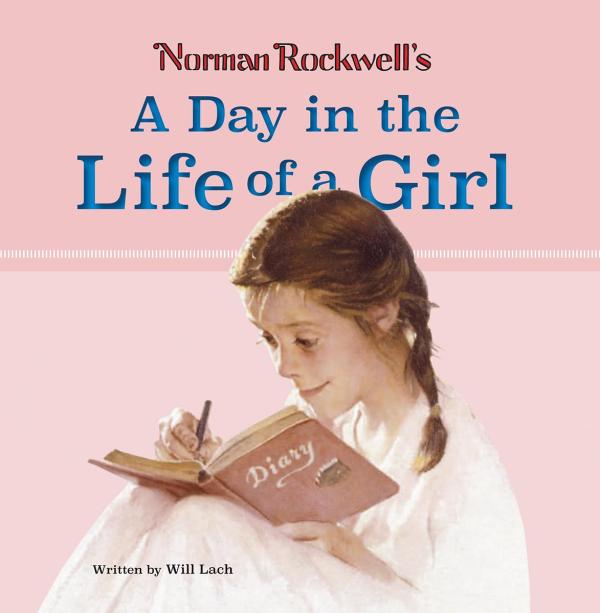
A girl ties up her braids and steps into what looks like just another ordinary summer day, but a few surprises are waiting! This picture book brings one of Rockwell's most popular paintings to life, nearly two dozen little scenes of swimming, a party, and a bit of young love, connected by playful rhyming couplets into one delightful story. There's even a note from the real girl who modeled for Rockwell! Young kids will love the rhymes, and the whole family will enjoy poring over the details.
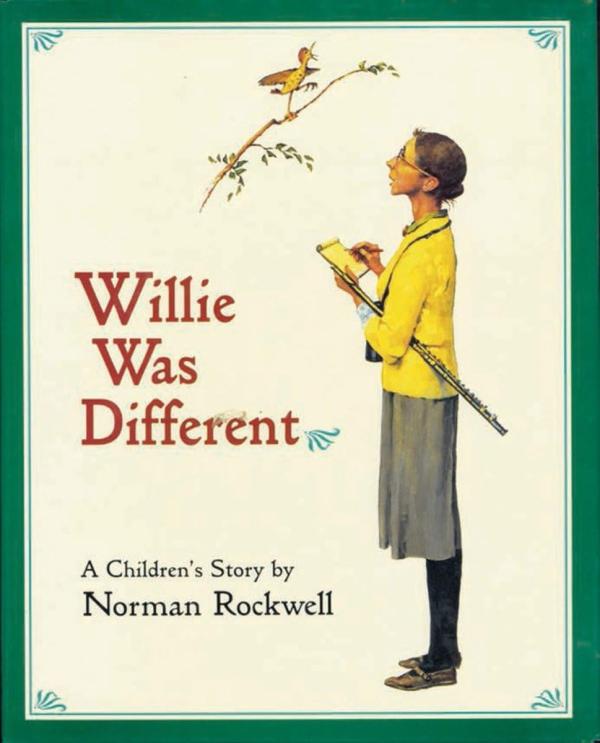
Here's a fun fact: Norman Rockwell wrote exactly one children's story in his lifetime and this is it! Willie is a wood thrush who doesn't quite fit in with the other birds, but when he meets Miss Polly, a flute-playing librarian, he discovers his own special musical gift. Said to be inspired by Rockwell's own life, this sweet tale about individuality and staying true to yourself includes the paintings Rockwell created for the story. Read it aloud with kids in grades 2-4.
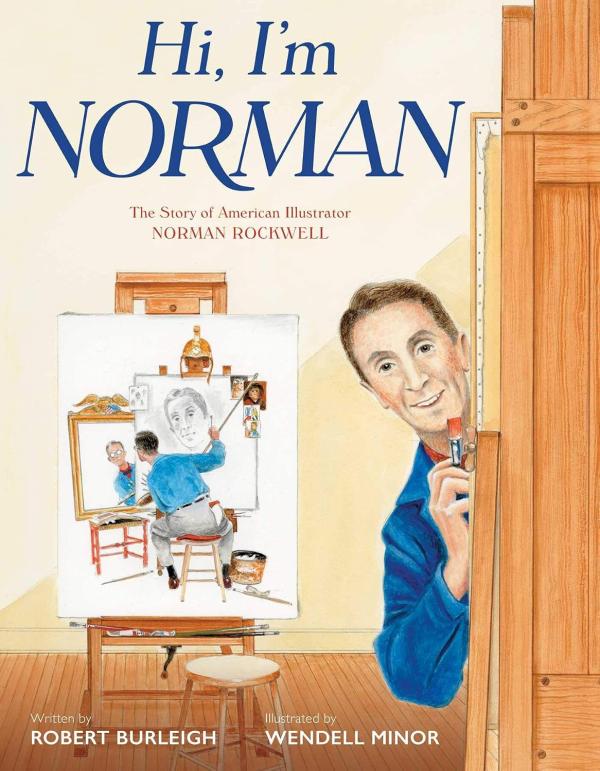
In this picture book biography, Norman himself welcomes readers into his studio and tells his own story—from a boy who loved "telling stories with pictures" to one of America's most famous illustrators. The friendly, conversational style makes readers feel like they're chatting with the artist, and Wendell Minor's illustrations capture the spirit of Rockwell's world. This one is a wonderful read-aloud for early elementary kids meeting Rockwell for the first time.
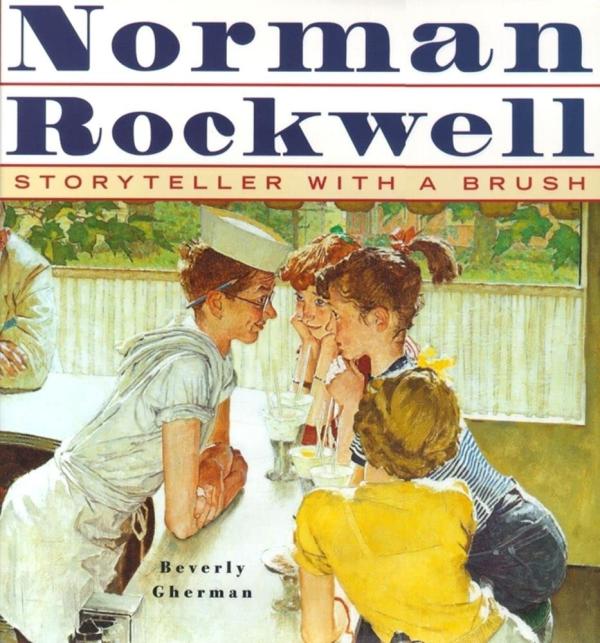
The title says it all: Rockwell's great talent was telling stories without using a single word. This engaging biography follows Rockwell from a pale, skinny boy with thick glasses to a beloved illustrator whose own life experiences (a childhood trip to the country, a son leaving home, even a studio fire) became part of his paintings. With full-color reproductions of his work throughout, this well-researched book is best for kids in grades 4-8.
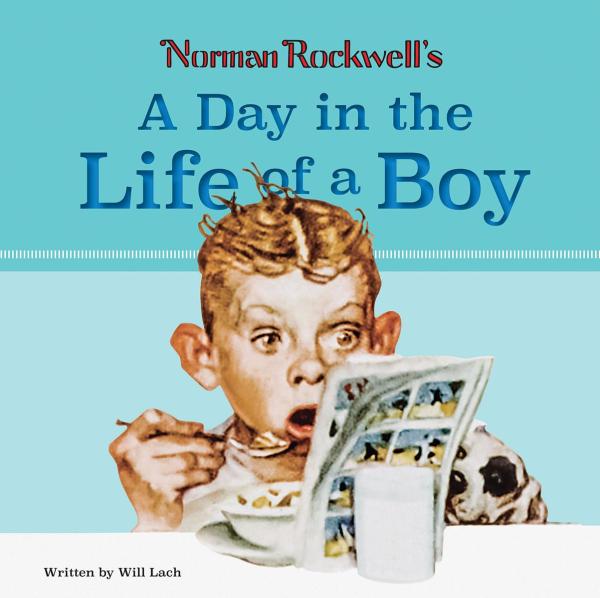
Created in partnership with the Norman Rockwell Museum, this clever picture book brings one of Rockwell's 1952 Post covers to life! The original painting showed 23 little scenes of a boy's day—splashing in the pool, riding a bike, sharing a milkshake—and here, playful rhyming couplets connect each moment into one delightful story. There's even a note from the real boy who modeled for Rockwell! Young kids will love the rhymes, and the whole family will enjoy poring over the details.
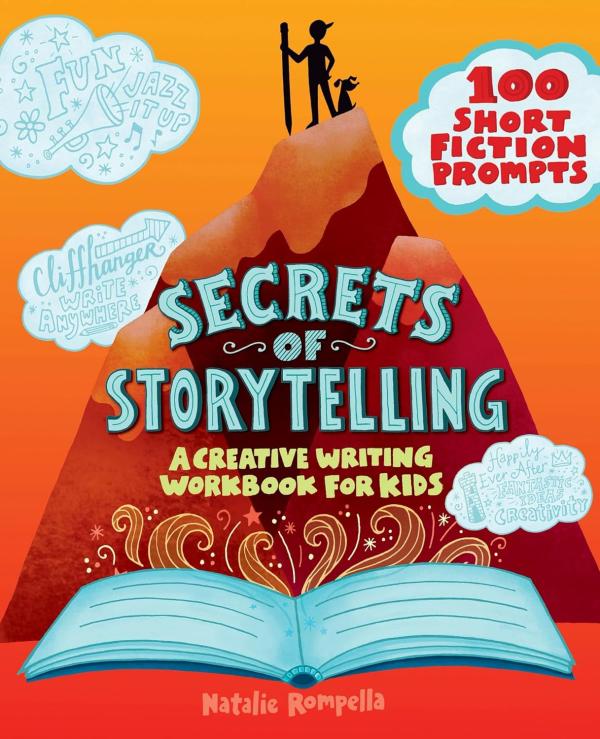
Rockwell told stories with a paintbrush; now it's your child's turn to tell stories with a pencil! Written by a former teacher, this workbook is packed with 100 creative prompts plus short, friendly lessons on building characters, creating settings, and writing dialogue. Kids write directly in the book, so ideas can flow the moment inspiration strikes. Designed for young writers ages 8-12, it's a favorite of parents, homeschoolers, and teachers alike.
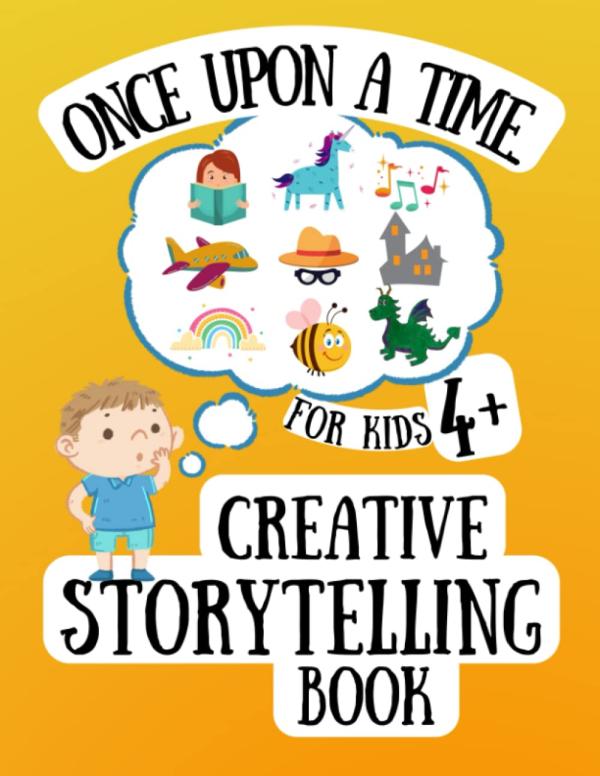
Storytelling starts long before kids can write! Each page of this picture workbook features nine simple illustrations, and the challenge is to weave all nine into one original tale. Helpful questions under each picture get the story started, and since the possibilities are endless, kids can return to the same page again and again to spin a brand-new story. This one is perfect for preschoolers and young kids ages 4 and up, especially as a create-together activity with a grown-up.
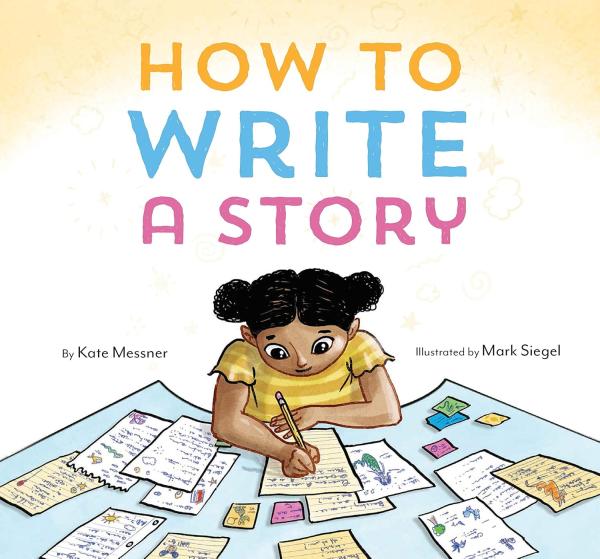
Step 1: Choose an idea for your story. A good one. So begins this charming picture book that walks young storytellers through the whole writing process, from searching for a "shiny" idea to sharing the finished story with friends. The ten simple steps make storytelling feel doable and exciting, never intimidating. It's a wonderful read-aloud for kids ages 3-6 who are just discovering the magic of making up their own tales.
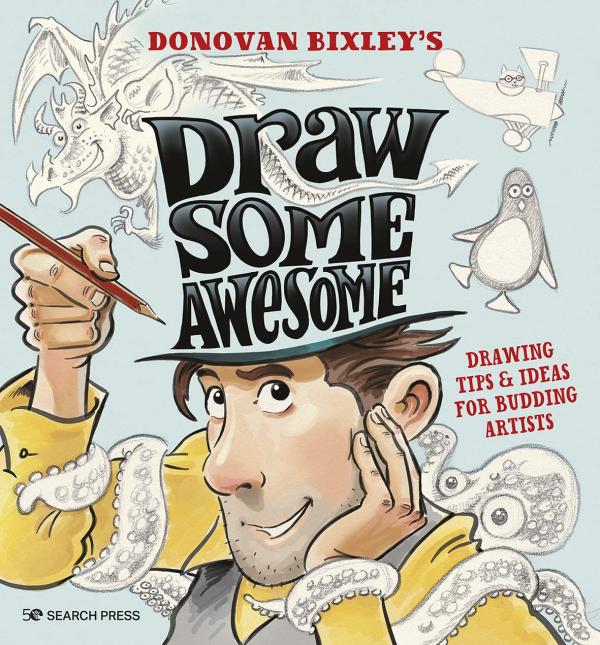
Rockwell knew that every great story-picture starts with drawing practice, and this book is full of it! Award-winning illustrator Donovan Bixley guides kids through warm-up exercises, animals, faces, and expressive characters, then moves on to perspective, shading, and composition; the same skills Rockwell used to fill his paintings with personality. Bixley's humor bursts from every page, making this a book that budding artists of all ages and skill levels will return to again and again.
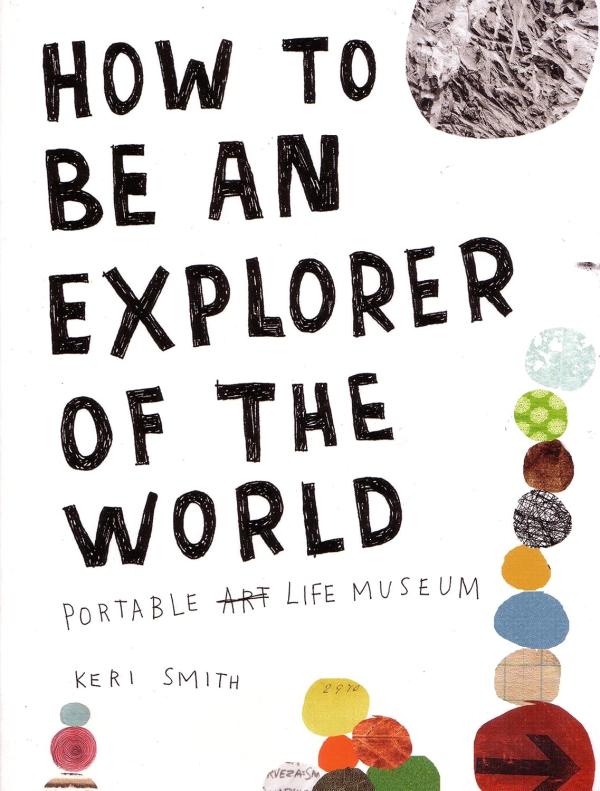
Norman Rockwell found his stories by observing the everyday world around him and this guided journal invites kids to do exactly the same. From the author of Wreck This Journal, it's filled with interactive prompts that encourage readers to observe, collect, document, and notice patterns like both an artist and a scientist. Tweens and teens will especially love the independent, adventurous spirit of this one, but the whole family can join in the exploring.
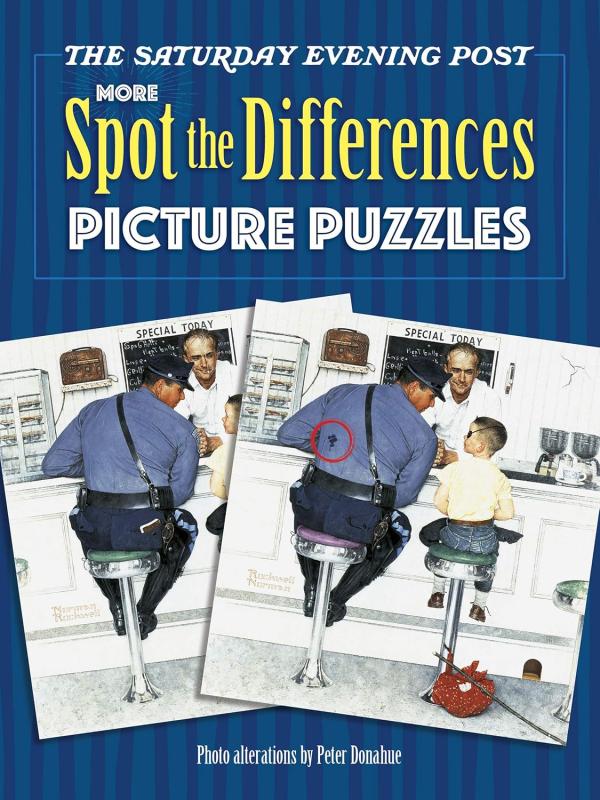
Rockwell packed his paintings with tiny storytelling details. This activity book puts kids' powers of observation to the test! Each of the 25 puzzle pairs features a classic Saturday Evening Post cover by Rockwell and other illustrators of his era, with 12 to 18 sneaky changes hidden in one of the pictures. It's a fun way for kids of all ages (and grown-ups too!) to slow down and really look at the details, just like Rockwell did.

 Never miss a beat.